An Unseen Threat: The Definitive Guide to Cigar Smoke and Your Pet's Health

By the Experts at Commercial Air Purifiers | Published: November 1, 2025
Our pets are more than just animals; they are cherished members of our families. We go to great lengths to ensure their food is nutritious, their beds are comfortable, and their lives are filled with love and joy. For the cigar enthusiast who is also a devoted pet owner, this creates a profound and often unspoken concern: how does the relaxing ritual of enjoying a cigar impact the health of the loyal companion curled up at their feet or sleeping in the next room?
This is not a simple question, and it deserves a clear, science-backed answer, free from judgment. As air quality experts and passionate pet lovers ourselves, we understand this delicate balance. You want to enjoy your hobby without putting your pet at risk. In this definitive guide, we will explore the robust scientific evidence on how tobacco smoke uniquely affects our animal companions and provide a comprehensive, multi-layered strategy for creating a safer, cleaner home environment for every member of your family, both human and four-legged.
More Than Just an Odor: The Science of Secondhand and Thirdhand Smoke
When we talk about the risks of tobacco smoke, we are dealing with two distinct but related threats. It’s crucial to understand both, as pets are uniquely vulnerable to each.
Secondhand Smoke: This is the combination of the smoke exhaled by a smoker and the smoke that comes directly from the burning tip of the cigar. According to the U.S. Centers for Disease Control and Prevention (CDC), this smoke is a toxic cocktail of over 7,000 chemicals, including hundreds that are toxic and about 70 that are known to cause cancer. When this smoke fills a room, your pet has no choice but to breathe it in.
Thirdhand Smoke: This is the invisible, toxic residue that secondhand smoke leaves behind. Sticky, oily particles from the smoke settle and cling to every surface in a room—the carpet, the sofa, the walls, and critically, your pet’s own fur and bedding. This residue doesn't simply go away; it can remain for months or even years, continuously releasing harmful chemicals back into the air and exposing your pet through touch, inhalation, and ingestion.
For our animal companions, these threats are significantly magnified due to their unique biology and behaviors, making them far more susceptible to smoke-related illnesses than the humans in the home.
A Different Biology: Why Pets Are Uniquely at Risk
It is a dangerous misconception to assume that smoke affects our pets in the same way it affects us. In reality, their physiology and daily habits put them at a much greater risk of harm from environmental tobacco smoke.
Faster Respiratory Rates
Most common household pets, including dogs and cats, have significantly faster respiratory rates than adult humans. This means that in the same amount of time, they are breathing more frequently, inhaling a larger volume of polluted air relative to their body size. This higher "dose" of airborne toxins increases their overall exposure and the potential for damage to their lungs and bodies.
Closer to the Ground
The laws of physics work against our pets. Many of the heavier and more toxic particulate compounds in tobacco smoke do not remain suspended in the air indefinitely; they slowly sink and concentrate in the lower portion of a room. This is precisely where our pets spend most of their lives—walking, sleeping, and playing on the floor. They are living and breathing in the zone where the concentration of these harmful pollutants is often at its highest.
The Danger of Grooming: Ingesting Thirdhand Smoke
This is perhaps the most critical and unique danger that pets face. The sticky, chemical-laden residue of thirdhand smoke settles directly onto their fur. When your cat or dog performs their natural grooming routine, they are not just cleaning themselves; they are licking and ingesting these toxic, cancer-causing chemicals. This provides a direct pathway for the poisons to enter their digestive system and be absorbed into their bloodstream, a route of exposure that humans do not experience.
The Veterinary Verdict: Proven Links Between Smoke and Disease
The link between environmental tobacco smoke and severe animal diseases is not theoretical; it is well-documented by leading veterinary and public health institutions.
The U.S. Food and Drug Administration's Center for Veterinary Medicine (FDA CVM) has issued clear warnings to pet owners about these dangers, summarizing decades of research. Their findings, supported by organizations like the American Veterinary Medical Association (AVMA), paint a sobering picture.
Health Risks for Dogs
-
Nasal Cancer: Studies have shown a significant link between secondhand smoke exposure and nasal cancers in dogs. This risk is particularly high for long-nosed breeds like Collies, Greyhounds, and Dachshunds. Their long nasal passages provide a large surface area that is highly effective at filtering particles from the air, but this also means that carcinogens from smoke become trapped and concentrated there, leading to the development of tumors.
-
Lung Cancer: Conversely, short-nosed (brachycephalic) breeds like Pugs and Bulldogs are at a higher risk for lung cancer. Their shorter nasal passages are less effective at filtering particles, allowing more carcinogens to travel directly into their lungs.
-
Respiratory Illnesses: Just like in humans, exposure can cause or worsen conditions like asthma, allergies, and chronic bronchitis in dogs.
Health Risks for Cats
Cats are particularly susceptible to the dangers of thirdhand smoke, largely due to their meticulous grooming habits.
-
Malignant Lymphoma: A landmark study from the renowned Tufts University School of Veterinary Medicine found that cats exposed to secondhand smoke had a risk of developing this aggressive and often fatal cancer that was more than double that of cats in smoke-free homes. The risk increased with the duration and intensity of the exposure.
-
Oral Cancer: The same grooming behavior that exposes cats to lymphoma-causing chemicals also puts them at a high risk for developing squamous cell carcinoma—an aggressive cancer of the mouth. The carcinogens from their fur are transferred to their oral tissues during licking.
-
Asthma and Breathing Difficulties: Cats are highly prone to developing asthma, and exposure to the irritants in cigar smoke is a primary trigger for this chronic and debilitating condition.
The Responsible Owner's Action Plan: A Multi-Layered Strategy for Protection
The only 100% effective way to protect your pets is to smoke exclusively outdoors, far away from them. However, for those who smoke indoors, a rigorous harm reduction strategy is essential. This requires a multi-layered approach that combines separation, aggressive air purification, and diligent cleaning.
1. Create a Dedicated, Isolated Space
Never smoke in the same room as your pet. Choose a single room in your home to be the designated smoking area, and ensure it has a door that can be closed. This room should be off-limits to your pets at all times, not just when you are actively smoking. This helps minimize their direct exposure to secondhand smoke.
2. Implement a High-Performance Air Purification System
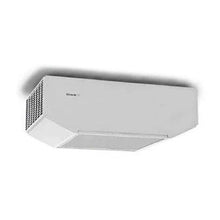
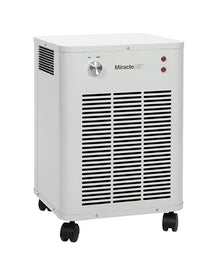
This is the most critical technological component of your protection strategy. A high-performance air purifier placed in the designated smoking room is essential for capturing pollutants at the source, before they can spread to the rest of the house or settle as thirdhand smoke. A system for this task must have:
-
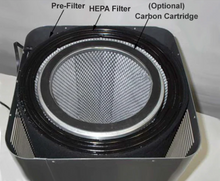
A True HEPA Filter: To physically capture 99.97% of the airborne tar and ash particles. This is your primary defense against the particles that cause respiratory damage and settle on fur.
-
A Heavy-Duty Activated Carbon Filter: To adsorb the thousands of gaseous VOCs that cause the odor and can also be harmful. A unit with 15 pounds or more of carbon is necessary to handle the heavy load of cigar smoke.
-
A High CFM Rating: The unit must be powerful enough to achieve 10-12 Air Changes per Hour (ACH) in the smoking room, ensuring the air is scrubbed clean every five to six minutes.
3. Protect Your Pet from Thirdhand Smoke Transfer
The battle isn't over when the cigar is out. You must be diligent about preventing the transfer of residue.
-
Personal Hygiene: After smoking, always wash your hands and face thoroughly. It’s also wise to change your shirt or wear a designated "smoking jacket" that you remove before interacting with your pets.
-
Aggressive Cleaning: Regularly vacuum and clean all floors and furniture throughout your home. Frequently wash your pet's bedding, toys, and blankets, as the sticky residue can easily be transferred to these items from your hands and clothing.
For homes with these dual challenges, our Pet & Smoke Air Purifiers offer the robust filtration needed. The residue on fur is a major risk. Learn more in our definitive guide: "The Dangers of Thirdhand Smoke."
Conclusion
The bond we share with our pets is built on trust and care, and that includes protecting them from the dangers they cannot see. Due to their unique biology and behaviors like grooming, our animal companions are exceptionally vulnerable to the severe, life-threatening diseases caused by secondhand and thirdhand smoke. As a responsible owner, creating a safer home environment is paramount. By implementing a comprehensive strategy of strict separation, aggressive and continuous air purification at the source, and diligent cleaning to combat residue transfer, you can significantly reduce your pet’s exposure and honor the commitment you made to keep them safe and healthy for a lifetime.
Protect every member of your family. Discover our air purifiers designed for pet owners and smoke.
Your Pet Safety Questions Answered
Is it enough to just smoke in another room with the door closed?
While it is a crucial first step, it is not enough on its own. Smoke particles and gases are incredibly invasive and can easily travel under doors and through a home's HVAC system. To be truly effective, the closed-door policy must be combined with a powerful air purifier running in the smoking room to capture pollutants at the source, as well as rigorous cleaning practices.
I smoke "all-natural" cigars. Are they safer for my pets than cigarettes?
Unfortunately, no. While cigars may not have some of the chemical additives found in cigarettes, the primary toxins and carcinogens are byproducts of the combustion of the tobacco leaf itself. A single large cigar can produce as much or more secondhand smoke as an entire pack of cigarettes, making it equally or even more hazardous in an enclosed space.
Can I just open a window instead of using an air purifier?
Opening a window provides some ventilation and is better than nothing, but it is a highly unreliable and incomplete solution. It does little to remove the fine particles and gases already circulating in the room and can create unpredictable drafts that may actually spread the smoke to other parts of your house more quickly. An air purifier provides a controlled, continuous, and far more effective removal of all pollutants.
How often should I bathe my pet if I'm worried about thirdhand smoke on their fur?
This is a question best answered by your veterinarian, as over-bathing can strip the natural, healthy oils from a pet's skin and coat. The far better and more effective strategy is prevention. By using a high-performance air purifier to capture smoke particles before they can settle, you dramatically reduce the amount of residue that ever reaches your pet's fur in the first place, minimizing the need for reactive measures like bathing.
Ready to improve your air quality? Explore our Smoke Removal collection, or contact our team for a recommendation tailored to your space.