The Stubborn Stain: Can an Air Purifier Stop Walls from Turning Yellow from Smoke?

By the Experts at Commercial Air Purifiers | Published: October 19, 2025
It’s a frustratingly common sight in homes where smoking occurs: a creeping, brownish-yellow stain that discolors once-pristine white walls and ceilings. This stubborn film is the tell-tale signature of indoor tobacco smoke, a visual reminder of the pollutants that have settled in the space. If you're dealing with this issue, you’re likely looking for a real solution. You might be wondering if a modern, high-tech device like an air purifier can stop this discoloration in its tracks, or perhaps even reverse it.
As air quality specialists, this is a question we encounter frequently. The answer is nuanced, but it holds the key to protecting your home: An air purifier is the single most powerful tool for preventing walls from turning yellow, but it cannot clean stains that are already there. Understanding this distinction is the first step toward creating a comprehensive strategy. In this guide, we'll break down the science of why smoke stains surfaces and explain exactly how the right air purification technology can intercept these pollutants before they ever cause damage.
The Science of the Stain: Why Smoke Turns Walls Yellow
To defeat the problem, you first have to understand its source. The yellowing of your walls is not caused by the “smoke” as a gas, but by the sticky, semi-solid and liquid particles that the smoke transports through the air. Tobacco smoke is a complex aerosol, a suspension of thousands of different chemical compounds, many of which are heavy, oily, and adhesive.
The primary culprits behind the yellow discoloration are:
-
Tar: This is the sticky, resinous, and naturally brown particulate matter that is a direct byproduct of burning tobacco. It’s a complex mixture of chemicals that, when airborne, acts like a microscopic droplet of glue, ready to adhere to any surface it touches.
-
Nicotine: While nicotine itself is a colorless liquid in its pure form, it quickly oxidizes when exposed to oxygen and light. This chemical reaction transforms it into a yellowish-brown substance called cotinine, which contributes significantly to the staining.
When someone smokes indoors, these tar and nicotine particles are launched into the air. They are so small and light that they can remain suspended for hours, circulating on the natural air currents of the room. Eventually, they collide with surfaces like your walls, ceilings, furniture, and windows, and they stick. This sticky, toxic residue that remains on surfaces is now widely recognized by health experts as thirdhand smoke. The Mayo Clinic Health System describes thirdhand smoke as the residue that clings to surfaces long after the smoke has cleared, posing a lingering health risk. This same residue is precisely what causes the visible, progressive yellowing of your home.
The Critical Distinction: Prevention vs. Cure
This brings us to the most important concept in this discussion: the difference between preventing a problem and curing it. This is where the role of an air purifier becomes crystal clear.
What an Air Purifier CANNOT Do
Let’s be direct and transparent: an air purifier cannot clean existing smoke stains from your walls. Once the tar and oxidized nicotine have chemically bonded with the paint and drywall, they cannot be removed by filtering the air. The discoloration is a physical deposit that has become embedded in the surface. Removing it requires direct, physical intervention, such as intensive scrubbing with powerful cleaning agents or sealing the stains with a specialized primer before repainting. No device that only treats the air can reverse this type of surface damage.
What an Air Purifier CAN Do: The Science of Interception
The true power of an air purifier lies in its ability to intercept the staining agents mid-flight, capturing them before they ever reach your walls. Think of it like this: if your room is a pristine white carpet, and someone is walking in with muddy shoes, a smokey air purifier acts like an incredibly powerful doormat and vacuum system combined. It can't clean the mud that's already been tracked onto the carpet, but it can stop the mud at the door, preventing any further damage.
A high-performance air purifier continuously inhales the air in your room, along with all the pollutants suspended within it. The airborne tar droplets, nicotine particles, and other combustion byproducts are pulled into the unit’s filtration chamber, where they are trapped and permanently removed from circulation. By constantly scrubbing the air, the purifier dramatically reduces the concentration of staining agents, meaning very few ever get the chance to impact and adhere to your walls. It is the ultimate tool of prevention.
The Technology That Fights Back: HEPA and Activated Carbon
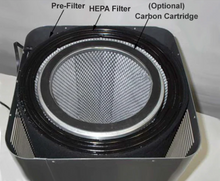
To effectively intercept the complex cocktail of pollutants in tobacco smoke, a purifier needs a sophisticated, multi-stage filtration system. Two specific technologies are essential for this task.
HEPA Filters: Trapping the Tar Particles
The staining culprits—tar and other solid particulates—are the primary targets. The most effective technology for capturing these physical particles is a True HEPA filter. The HEPA standard is a government benchmark; it certifies that a filter can capture 99.97% of airborne particles down to 0.3 microns in size. This level of filtration is so fine that it easily traps the tar droplets and other microscopic solids that make up smoke. As the air is forced through the dense web of a HEPA filter, these sticky particles are physically removed from circulation. This is the single most important technological feature for preventing the yellowing of walls.
Activated Carbon: Tackling the Odor and Gases
While tar is the main staining agent, the thousands of Volatile Organic Compounds (VOCs) and odorous gases in smoke contribute to the overall problem. These gaseous pollutants are responsible for the pervasive smell and can contribute to the chemical environment that allows thirdhand smoke residue to form and feel sticky. These gases are far too small to be caught by a HEPA filter.
This is the job of an activated carbon filter. As the U.S. Environmental Protection Agency (EPA) explains in its guide to air cleaners, activated carbon is highly effective at adsorbing certain gases. Through a process called adsorption, VOCs and odor molecules chemically bond to the vast surface area of the carbon. A system designed for heavy smoke needs a substantial carbon filter, often weighing 15 pounds or more, to have enough capacity to effectively remove the immense volume of gaseous pollutants produced by smoking. By removing these chemicals, you are creating a less hostile and less odorous environment overall.
Sizing for Success: Why Power and Airflow Are Non-Negotiable
The simple presence of a HEPA and carbon filter is not enough. To successfully prevent wall staining, the air purification system must be powerful enough to overwhelm the rate of smoke production. A small, underpowered purifier in a room with a smoker is like trying to bail out a sinking boat with a teaspoon—the pollutants will build up far faster than the device can remove them.
The key performance metrics are CFM (Cubic Feet per Minute) and ACH (Air Changes per Hour). CFM measures how much air the unit can move, and ACH tells you how many times it can clean the entire volume of air in your room in one hour.
To effectively capture tar particles before they have time to travel across the room and stick to a wall, you need to clean the air at a very high rate. For any room where active smoking occurs, we recommend a system powerful enough to achieve a minimum of 8-10 ACH. This means the entire volume of air in the room is being completely scrubbed by the filters every six to seven minutes. This rapid, continuous filtration is what ensures the vast majority of staining agents are intercepted and removed.
Your Two-Step Plan for Clean Walls and Clean Air
If you're facing the problem of yellowing walls, a complete solution involves both remediation for the past and prevention for the future.
Step 1: Remediation (Cleaning and Sealing Existing Stains)
You must first address the existing damage. Simply painting over smoke stains is rarely effective, as the tar and nicotine will bleed through the new paint over time.
-
Clean the Surfaces: Vigorously wash the walls and ceilings with a solution designed to cut through grease and tar, such as trisodium phosphate (TSP) or a specialized smoke damage cleaner.
-
Seal the Stains: After cleaning and drying, apply one or two coats of a high-quality, stain-blocking primer (such as a shellac-based or oil-based primer). This creates a permanent barrier that seals in any remaining residue and prevents bleed-through.
-
Repaint: Once the primer is fully cured, you can repaint your room with your desired color.
Step 2: Prevention (Implementing an Air Purification System)
With your walls restored to a clean slate, now is the time to implement a preventative strategy.
-
Calculate Your Needs: Determine your room's volume (Length x Width x Height) and calculate the CFM required to achieve 8-10 ACH.
-
Select the Right Technology: Choose a high-CFM air purifier that is equipped with both a large True HEPA filter and a substantial activated carbon filter (weighing 15+ lbs). Systems built for this purpose, often called heavy-duty smoke eaters, have the necessary power and filtration to be effective.
-
Operate it Correctly: Run the air purifier continuously, especially during and for several hours after smoking, to ensure immediate and thorough pollutant capture.
To understand the full scope of the residue you're fighting, our article, "What is Thirdhand Smoke and How Do You Get Rid of It?" is a must-read.
Conclusion: A Proactive Approach to a Cleaner Home
So, does an air purifier help with yellowing walls from smoke? The answer is a definitive yes—but as a tool of prevention, not restoration. It cannot magically wipe away the stains of the past, but it is unequivocally the most effective technology available to ensure your walls remain clean and bright in the future. By first remediating the existing damage and then implementing a powerful, correctly-sized air purification system, you can break the cycle of discoloration. You are taking proactive control, intercepting the problem at its airborne source and preserving the cleanliness and health of your home environment.
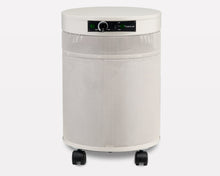
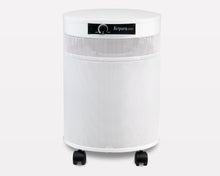
Stop the damage before it starts. Browse our air purifiers designed for heavy smoke.
Your Questions Answered: Preventing Smoke Stains
How long does it take for walls to turn yellow from smoking?
This varies greatly depending on the frequency of smoking, the size of the room, and the existing ventilation. In a small, poorly ventilated room with a heavy smoker, noticeable yellowing can begin in just a few months. In a larger, more open space, it may take a year or more to become obvious.
Will just painting over the yellow stains fix the problem?
No. The tar and nicotine residue is oily and will eventually leach through standard latex or acrylic paint, causing the stains to reappear. It is absolutely essential to first clean the wall and then use a specialized stain-blocking primer designed to create a permanent barrier.
Does the type of cigarette (e.g., light, menthol, natural) make a difference in the yellowing?
While marketing may differ, all commercial cigarettes produce tar and nicotine when burned. The combustion of any tobacco product will release these staining byproducts into the air. There is no such thing as a "clean" cigarette in terms of its ability to stain indoor surfaces.
I already have yellow walls. Is it too late for an air purifier?
It's never too late to start preventing further damage. The best approach is to clean and repaint the walls using a stain-blocking primer. Once you have a fresh start, installing a high-quality air purifier will be the key to keeping them that way. The purifier will protect your new paint job and prevent the yellowing cycle from starting all over again.
Ready to improve your air quality? Explore our Smoke Removal collection, or contact our team for a recommendation tailored to your space.