The Unfiltered Truth: Are Ozone Generators Safe for Home Use? An Expert Investigation

By the Experts at Commercial Air Purifiers | Published: October 31, 2025
When you’re faced with a persistent, seemingly impossible-to-remove odor from smoke, pets, or mustiness, the search for a powerful solution can lead you to ozone generators. The marketing claims are certainly compelling. These machines promise to destroy odors and pollutants at a molecular level, performing a “shock treatment” that leaves your air smelling fresh and clean, like the air after a thunderstorm. It sounds like a magic bullet for your toughest air quality problems.
But while the marketing claims are powerful, so are the stark warnings from the world’s leading health and environmental agencies. In our industry, we see homeowners considering these devices as a last resort, and we feel a profound responsibility to provide a clear, science-backed answer to the critical question: Are ozone generators actually safe for home use? This is not a matter of opinion or brand preference. It is a matter of scientific fact and your family’s health. In this guide, we will investigate what ozone is, how it truly affects your health, and whether it’s the safe, effective solution it claims to be.
The Science of Ozone: A Tale of Two Molecules
To understand the risks, we first have to understand the science. Ozone, chemically known as , is a highly reactive and unstable molecule made of three oxygen atoms. This is different from the stable, life-giving oxygen we breathe, which is made of two oxygen atoms (
). That third oxygen atom makes ozone an incredibly powerful oxidant, meaning it readily reacts with other substances it comes into contact with. This reactivity is the source of both its potential benefits and its significant dangers.
It’s often helpful to think of "good ozone vs. bad ozone":
-
Good Ozone: This is the natural ozone layer found high up in the stratosphere. It forms a protective shield that absorbs the sun’s harmful ultraviolet (UV) radiation, making life on Earth possible. This ozone is beneficial because it’s far away from where we can breathe it.
-
Bad Ozone: This is ground-level ozone, which is created by chemical reactions between pollutants. It is the primary component of smog and is a well-documented, harmful air pollutant.
An ozone generator is a machine designed to intentionally produce and release large quantities of "bad ozone" inside your home. As the U.S. Environmental Protection Agency (EPA) clearly states, ground-level ozone is a toxic gas with vastly different properties and health effects depending on where it is in the atmosphere.
"A Potent Lung Irritant": The Health Consequences of Breathing Ozone
The scientific and medical consensus on the danger of inhaling ozone is unequivocal. Because of its powerful oxidizing properties, ozone causes damage to living cells upon contact. When you breathe it in, it reacts with the delicate tissues lining your respiratory system.
In a comprehensive report titled "Ozone Generators that are Sold as Air Cleaners," the EPA provides a direct and unambiguous assessment of the health risks. Inhaling ozone, even at low concentrations, can cause a range of serious health effects:
-
Throat and lung irritation, coughing, and shortness of breath.
-
Inflammation and damage to the airways.
-
Aggravation of chronic respiratory diseases like asthma, potentially triggering attacks.
-
Increased susceptibility to respiratory infections.
-
Permanent lung damage with repeated exposure.
The American Lung Association concurs, stating that ozone exposure can be compared to getting a "sunburn on your lungs." The health risks are most severe for vulnerable populations, including children, the elderly, and anyone with pre-existing respiratory conditions, but even healthy adults can experience adverse effects. There is no debate in the scientific community: ozone is not safe to breathe.
The Effectiveness Myth: The Problem of "Safe" vs. "Effective" Concentrations
Proponents of ozone generators often argue that these health effects only occur at high concentrations. However, this argument ignores a critical paradox that lies at the heart of the ozone debate.
The EPA’s research addresses this directly. For ozone to be effective at killing microorganisms or neutralizing chemical odors, it must be present at extremely high concentrations. These "effective" concentrations are many times higher than the public health standards for what is considered safe to breathe.
To put it simply:
-
At concentrations that are safe to breathe, ozone is ineffective as an air cleaner.
-
At concentrations that are effective at cleaning, the air is extremely hazardous to your health.
There is no "happy medium" where the machine is both effective and safe for use in an occupied space. This is why you may hear about professionals using ozone for "shock treatments" in extreme remediation situations (like a house fire). This process is radically different from home use. It is performed by trained technicians in a completely evacuated, sealed-off building, with commercial-grade equipment and monitors. The process is followed by a mandatory and lengthy ventilation period to ensure the ozone has fully dissipated before anyone is allowed to re-enter. These are not DIY devices for an occupied home.
More Than Just Ozone: The Risk of Harmful Chemical Byproducts
Perhaps one of the most alarming and least-understood dangers of using an ozone generator in your home is its potential to make your air quality worse.
Ozone’s high reactivity means it doesn't simply make pollutants disappear. It collides with existing chemicals in your home and creates new, sometimes more dangerous, byproducts. Your home’s air contains a complex mixture of VOCs from sources like furniture, carpets, cleaning supplies, and air fresheners. Research cited in the EPA's report shows that when ozone reacts with these common household chemicals, it can create a range of harmful byproducts, including formaldehyde, acrolein, and ultrafine particles (UFPs).
This means that running an ozone generator could inadvertently transform a relatively stable chemical environment into a more complex and potentially more toxic one. You may be trading one problem for another, more hazardous one, all while breathing in a known lung irritant.
The Professional's Choice: A Safe and Proven Alternative
As air quality professionals, our philosophy is simple: the safest and most effective way to clean the air is to physically remove pollutants, not to add a reactive chemical into your home to alter them. Fortunately, proven-safe, highly effective technologies exist to handle the very problems that lead people to consider ozone.
The Solution for Particles (Dust, Mold Spores, Smoke Tar): True HEPA Filtration
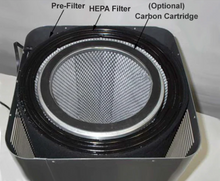
The vast majority of airborne allergens, mold spores, and the solid particles from smoke (tar and ash) are physical particles. These are not affected by ozone. The definitive solution for these pollutants is True HEPA filtration. A certified HEPA filter is a physical barrier that is engineered to capture 99.97% of all airborne particles down to 0.3 microns, effectively scrubbing the air clean of these contaminants.
The Solution for Odors and VOCs (Gases): Activated Carbon Adsorption
The gaseous chemicals that cause odors are the primary target of ozone generators, but there is a far safer and more effective solution: adsorption by activated carbon. A filter containing a deep bed of activated carbon has an enormous surface area that traps and holds onto odor-causing VOCs. Unlike ozone, this is a passive process that removes the chemicals from the air without creating any harmful byproducts. For severe odors, a system with a substantial carbon filter (15+ pounds) is the professional choice.
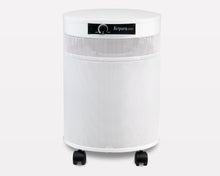
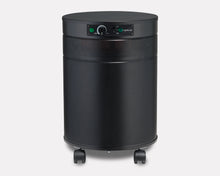
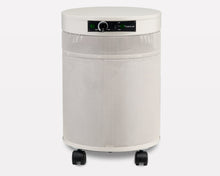
This combination of HEPA and activated carbon is the gold standard in the air purification industry. It is a strategy of removal, not reaction, and it is completely safe for you, your family, and your pets. For a safe and powerfully effective solution to odors and particles, explore our line of HEPA and Activated Carbon Purifiers. Learn how this proven-safe technology works in our guide, "The Science of Activated Carbon: How It Removes Odors."
Conclusion: A Verdict Based on Science
So, are ozone generators safe for home use? Based on the overwhelming and unambiguous evidence from the world's leading scientific, environmental, and public health organizations, the answer is a firm and resounding no. The intentional release of ozone into an occupied home poses a significant and unnecessary health risk. Furthermore, at any concentration that could be considered safe, its effectiveness as an air cleaner is highly questionable.
The allure of a quick fix for a difficult problem is understandable. However, when it comes to the air you breathe, safety must be the primary consideration. By choosing proven-safe and highly effective technologies like HEPA and activated carbon filtration, you can achieve truly clean air, removing harmful pollutants from your home without introducing a new, invisible danger.
Choose safety and performance. Find the proven-safe air purification solution for your home.
Your Ozone Generator Questions Answered
What about air purifiers that produce just a "small amount" of ozone as a byproduct?
The EPA and other health organizations have stated that there is no "safe level" of ozone. Even small amounts can be irritating to the respiratory system, and there is no scientific evidence that a low level of ozone provides any air cleaning benefit. To be certain a device is safe, look for certification from the California Air Resources Board (CARB), which prohibits the sale of air cleaners that produce harmful levels of ozone.
I saw a professional remediation company use an ozone machine after a house fire. Why is that different?
This is a critical distinction. Professionals use high-concentration "shock treatments" in completely unoccupied and sealed buildings. They use commercial-grade machines with timers and monitors, and no person, pet, or plant is allowed inside during or for a long time after the treatment. The area must be thoroughly ventilated to clear the ozone before it is safe for re-entry. This is a hazardous industrial process, not a home-use application.
Do all ionizer air purifiers produce ozone?
Historically, some ionizers produced ozone as a byproduct. However, modern, high-quality ionizers are designed to prevent this. To ensure safety, a consumer should always purchase an ionizer that is certified by CARB as ozone-safe.
I've heard people say ozone smells "fresh and clean," like the air after a thunderstorm. Isn't this a good sign?
This is a dangerous but common misconception. That sharp, distinct smell is the odor of ozone itself, indicating that you are breathing in a lung irritant. The association of this smell with "freshness" comes from the fact that lightning can create ozone in the atmosphere. However, in the open atmosphere, it quickly dissipates. In your home, it becomes a concentrated pollutant. The true smell of clean, healthy air is the complete absence of any smell at all.
Ready to improve your air quality? Explore our Chemical Sensitive / MCS collection, or contact our team for a recommendation tailored to your space.